Finding the best roof pavers for your outdoor project can be a game-changer. It can improve both the look and function. Are you considering concrete, porcelain, or wood deck tiles? Are you interested in green roofs? We’ll help you choose and maintain the best paver system for your rooftop project needs. We’ll highlight what to expect in terms of longevity and utility. We won’t compromise on style. And if you need help with your project, we’re just a quick phone call away. We’ve provided the parts and materials for thousands of roof deck projects!
Key Takeaways
Roof deck pavers offer material and design versatility. They have anti-slip surfaces, resist weather, and work with snow-melting systems. Experienced construction professionals praise porcelain pavers for their safety and flexibility. They work well in raised pedestal and deck support systems.
Pedestal support systems are essential for roof paver installations. They provide a stable foundation that facilitates proper drainage and airflow. They are adjustable to accommodate varying heights and gradients, ensuring roof integrity.
Innovations in roof paving solutions cater to modern architectural needs. They aim for easy installation, efficient drainage, and energy efficiency. Products like lightweight Turf tray pavers and permeable concrete pavers improve safety. They also reduce urban heat. This increases the lifespan and sustainability of the paver system.
Exploring the Versatility of Rooftop Deck Pavers
Rooftop deck pavers are anything but ordinary. They offer an endless choice of materials. Each one contributes to transforming roofs and decks into attractive spaces. The primary materials employed for floating deck projects are:
Concrete: used as roof ballast, pavers for roof decks, and terrace pavers
Porcelain: used as roof deck material, plaza deck, and terrace pavers
Wood deck tiles: suited for raised wood decks on rooftops and terraces
Each material has its unique set of advantages.
Take porcelain pavers, for example. Prized for their durable features, they come with:
Anti-slip surfaces
Wear and weather resistance
Wind-uplift resistance
Compatibility with snow melting systems
This makes them a safe and practical choice for exterior surface applications.
Moreover, porcelain pavers offer significant design and installation flexibility. They are available in wood simulation styles, solid colors, and just about any style to meet the needs of today’s design styles. They are suitable for a raised pedestal system and as support systems for roof decks. Porcelain pavers are ideal for high-rise projects. Their ease of transport and installation make them suitable for various architectural applications. They also work well on standard roof decks.
As a result, there’s a paver system for revamping roofs, terraces, or balconies. It can transform them into visually appealing and practical spaces. We have seen the popularity of porcelain tiles combined with turf deck material. The contrast between a cool tile and green grass fits with modern design trends.
The Foundation of Beauty: Pedestal Systems for Roof Pavers
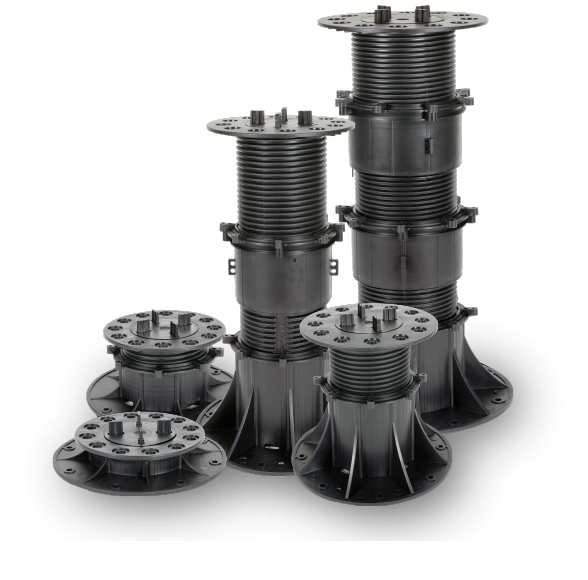
A pedestal paver system is the backbone of roof decks and green roofs. These adjustable pedestals provide the foundation for the entire deck system. These paver system components are crucial. They are engineered to elevate, level, and uniformly space roof pavers. Correct installation ensures proper drainage and airflow.
Pedestal Systems offer the following features:
Adjustable design that accommodates all height and slope applications
Simplifies inventory, logistics, and purchasing costs
Lowers labor and material costs
It is a non-permanent solution that is changable
Pedestal systems have screw adjustment features. Thanks to these, the installed can adjust the height to achieve a level surface. Some key features of pedestal systems include:
Self-leveling heads allow for pavers to be adjusted without removal, even on slopes up to 4%
Built-in slope compensation features
Stackable caps provide added stability, ensuring a level base across different gradients.
Adjustable pedestals are designed for diverse applications. They support various surfaces on roof decks. These include wood tiles, concrete pavers, and traditional wood plank decks. They also aid in necessary drainage. The system enhances the roof’s longevity by using the existing slope to direct water away from the roof surface.
Green Roofs: Integrating Nature with Roof Pavers
The Turf-Grate system from Elevated Deck Systems allows for adding an outdoor green space to any rooftop deck project. We designed this system to pair with artificial turf. The design is for use on elevated and level rooftop decks. It creates welcoming green roof spaces that look like natural grass areas. The Turf-Grate is a strong fiberglass composite grate that installs on top of the pedestals. The decking grates provide support and drainage for artificial turf. Turf can be installed in square tiles or longer runs on top of the decking grates. The result is a green roof!
Elevated Deck System’s deck grating solutions afford a green look. They avoid the problems of bugs, weeds, or the maintenance typically associated with natural grass and soil. It’s like having a little patch of nature without the upkeep.
Additionally, the pedestal systems used in Elevated Deck System’s green roof designs foster the development of rooftop gardens. They also create charming plaza spaces. There are environmental benefits to creating green roof concepts. Think of it as a way to bring a slice of nature to your urban dwelling. It makes a tranquil escape right in the heart of any metropolitan city.
Maximizing Space with Terrace Pavers
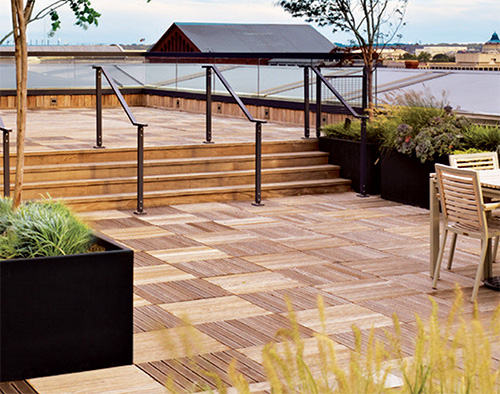
Terrace pavers provide a fantastic way to make efficient use of urban flat roofs. They can transform these otherwise lost spaces into functional and attractive outdoor areas. For example:
luxurious patios
rooftop gardens
outdoor dining areas
lounging spaces
Rooftop decks enhance the living experience for residents and guests alike. It also increases the overall property value.
One of the primary appeals of terrace pavers lies in their versatility. With a wide assortment of styles, colors, shapes, and textures, you can create customized and personalized terrace spaces. Whether you prefer a sleek, modern look or a rustic, traditional vibe, there’s a terrace paver that can bring your vision to life.
Beyond aesthetics, terrace pavers can be complemented with:
inviting seating areas
connections to nature via natural stone
multifunctional features like outdoor kitchens and fire pits
embedded LED lights
Raised deck planters
Deck furnishings and seating
All of these features expand the usability and enjoyment of rooftop spaces.
The Practical Side of Roof Pavers: Maintenance and Longevity
Although the visual appeal of deck pavers is indisputable, their practicality and longevity truly make them a valuable investment. Porcelain pavers, for example, offer the following benefits:
Highly wear-resistant
Nonporous
Stain-free
Require no sealing
High slip resistance
These qualities make porcelain pavers a practical choice for your deck project.
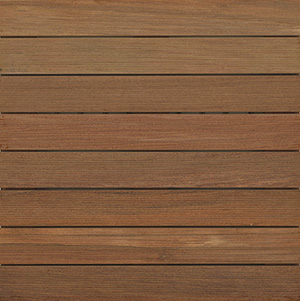
Wood deck tiles are also a popular choice for rooftop decks. They are durable but may require some maintenance. Still, they remain a cost-effective choice. Wood tiles can last for decades with minimal upkeep. But most Brazillian hardwoods like Ipe will change to a beautiful natural color or patina if not re-stained periodically.
Nonetheless, the correct installation of roof pavers is essential. It results in enduring stability and structural integrity. It also prevents future issues and extends the deck’s lifespan.
Maintaining roof pavers is a simple task. Here are some steps to follow:
Regularly sweep the pavers to remove debris.
Use a high-pressure garden hose or pressure washer to give them a thorough cleaning.
For stain removal, use a push broom or plastic brush with a soapy mixture to scrub the affected areas.
Rinse the pavers extensively to remove any soap residue.
Following these steps, you can keep your roof pavers clean and in good condition.
Quickly replacing any damaged or missing roof pavers is crucial. It maintains the integrity of the deck structure. It also averts the shifting of adjacent pavers. Follow these simple maintenance steps to ensure the longevity of your roof pavers. Keep your outdoor spaces looking their best for years to come.
Innovative Roof Paving Solutions: Engineered Systems for Modern Needs
Innovations in roof deck paver solutions now offer products that meet modern needs. They are cost-effective to install, handle water well, and look great. Porcelain deck pavers are designed to be lightweight and robust. This makes them easy to transport. They are also easy to install on high-rise buildings using service elevators. Improvements in roof tile technology and elevated roof deck systems make these pavers ideal for modern building projects.
Permeable concrete pavers enhance drainage in terrace applications. Outdoor safety is improved by preventing water from pooling. Then there’s the matter of energy efficiency. Light-colored deck pavers reflect sunlight effectively. They stay cooler and reduce the urban
“heat island” effect. This contributes to lower urban energy consumption.
By choosing the right materials, you can greatly increase the lifespan of your roof paver deck. For instance, materials such as 2cm porcelain tiles offer a durability of 40 to 60 years. These innovative paving solutions are a testament to how the industry is evolving. It meets budget requirements and provides functional design without compromising on aesthetics. Ipe wood tiles are also a great choice. They offer a beautiful look. They are lighter than porcelain and concrete pavers. Wood tiles naturally allow for water run-off. Wood deck tiles made from Brazilian Ipe wood can patina over time. Alternatively, they can maintain their vibrance through maintenance and re-staining.
Summary
Roof pavers offer a unique blend of versatility, functionality, and aesthetic appeal. They transform rooftops, terraces, and decks into stunning outdoor spaces. Whether you choose concrete, porcelain, or wood deck tiles, each material brings unique benefits to your deck project. With the proper foundation, such as an adjustable pedestal system, and the integration of innovative decking solutions such as the TurfGrate, you can create a space that looks good and is durable and easy to maintain. Now it’s time to take the plunge, transform your space, and elevate your outdoor living experience.
Frequently Asked Questions
What is a roof paver?
A roof paver is a common and popular deck surface material. These products come in many forms to meet the needs of any elevated roof deck project. Commercial and residential raised decks use them. A pedestal base system is installed first. The rooftop pavers sit on the adjustable pedestal base or on a paver tray. The system compensates for roof surface angles and slopes. It also results in a level surface.
How much do roof pavers cost?
Roof pavers can range from about $8 to $15 per square foot. Some recommended options include the Sterling Rooftop Tile at $8.50 per square foot. Another option is the Blue Sky Outdoor Interlocking Tile at $8.00 per square foot.
What is a ballast paver?
A ballast paver is a type of paver used as ballast or walkways to protect the roof system. It provides a durable and safe method without adding excessive load. This makes it a good option for roofs that cannot accommodate the load of standard pavers.
Can you lay pavers over cement?
Yes, you can lay pavers over a concrete slab if it is in good condition. This can lead to significant cost savings because there is less work involved. However, you can not install pavers on top of a composite, foam, or epoxy-coated roof. Pedestal base systems were created to solve this problem. They sit on top of the roof and will not damage the roof structure. Deck pedestals, most importantly, compensate for gaps between the roof surface and the finished height of the deck. Pedestal systems can allow for a space of as much as 36″. In contrast, you can only install pavers on concrete with minimal height compensation.
Are wooden decking tiles any good?
Yes, wooden decking tiles are a good choice because they are durable. They are also resistant to mold and rot, making them low maintenance. Wood deck tiles are lightweight and come in many color tones and finishes. You can install wood tiles with the planks running symmetrically or perpindicular for different looks.